Blog Feed

Corona Virus Outbreak

According to a report by the CDC, a new respiratory illness caused by a corona virus has been expanding from its first detection in Wuhan City, China. The United States confirmed it’s first case of person-person spread of the virus on January 30th, 2020. On that same day the International Health Regulations Emergency committee of The WHO declared the outbreak a “Public Health Emergency of National Concern” (CDC, 2020). Coronaviruses belong to a large family of viruses that can affect people and many species of animals. Most human cases spread from animals and spread between people like SARS, MERS, and 2019-nCoV (the current coronavirus).
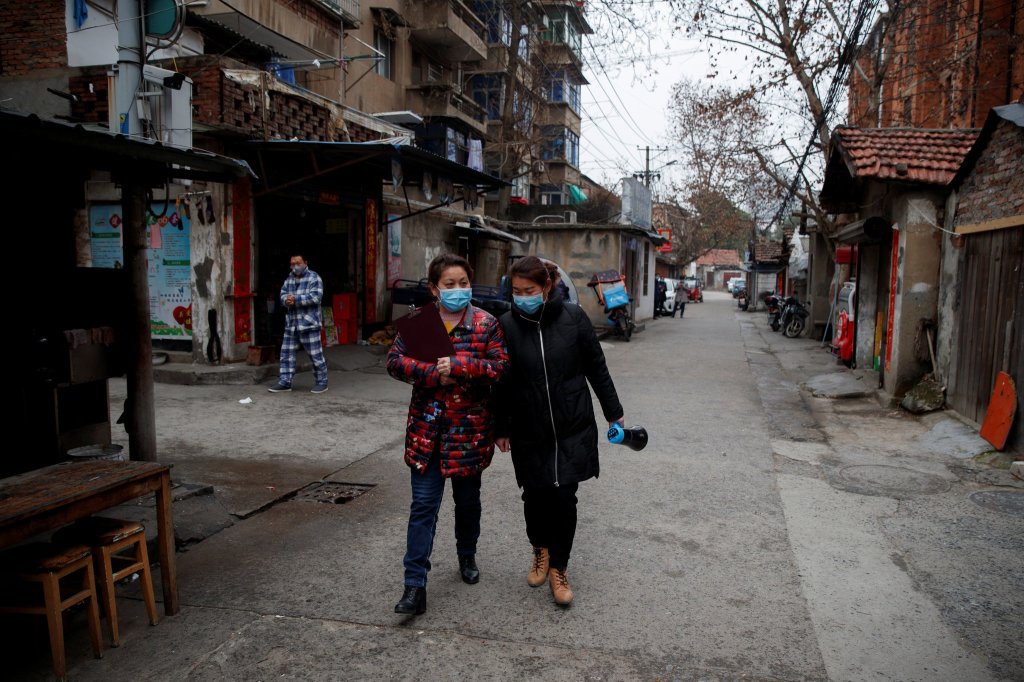
Photo by Thomas Peter/Reuters in 2020. Taken in Jiujiang, China.

2019-nCoV has an origin in bats, in common with MERS and SARS which are all betacoronaviruses. The genome sequence of the virus in the United States is similar to the one in China, suggesting the same virus present and person-to-person spread as opposed to animal-to-person spread. However, the virus is not currently spreading in the US community (CDC, 2020). The immediate health risk to the general public in the US is low, however certain populations such as healthcare workers are at an increased risk of coming in contact. The CDC is currently working on controlling the outbreak by doing a number of tasks including: issuing travel guidance warnings, monitoring travelers from Wuhan, deploying teams to assist health departments, and developing a test to detect 2019-CoV from samples.

According to an article in the New York Times, the death toll due to the virus has passed 360 and more than 17,000 cases have been confirmed. The infection has also spread to the Philippines where a man traveling from China reportedly died there recently. All of China’s provinces and Territories have been affected in some way by the outbreak. Scientists do no know how lethal this disease is yet experts are saying this may turn into a pandemic due to the long incubation period and transmission. Wealthier countries will have an easier time controlling the effects of the disease while countries with less stable health care systems may be affected much more.


Wakefield and The Western World

The “Anti-Vaxxer” Movement

With the upsurge in Measles in recent years in the Western World, medical professionals are questioning how this happened with such an effective vaccination accessible. Some people attribute this to the rise in the “anti-vaxxer” movement, a movement against vaccinating children due to medically-disproven links Autism. I will discuss in this blog one of the original articles that began this medically significant controversy and current estimations about the Measles toll and the MMR Vaccine.

Wakefield surrounded by anti-vaxxer supporters before the British General Medicine Council hearing. Photograph by Daniel Berehulak/Getty.

Andrew Wakefield’s Study

According to an article in the Canadian Medical Association Journal, Wakefield gathered 12 participants —or subjects for the study— from a group of carefully chosen children. Wakefield claimed that these subjects had come into the hospital after dealing with chronic enterocolitis and regressive developmental disorder following vaccination with the MMR vaccine (Egertson, 2010). According to an article in the Wall Street Journal, Wakefield took blood samples from children during a children’s birthday party without getting permission from the ethics committee and paying them $7.24 as a reward for participating. He continued to treat the subject unethically during the experiments as he ordered unnecessary procedures such as lumbar punctures (Whalen, 2010). In an article in the British Medical Journal, the author discusses the possible reason for this falsified experiment: Wakefield’s work in a lawsuit paying $230 an hour seeking a bowel-brain “syndrome” long before the paper was ever published.

This suggests clear ulterior motives in publishing this paper. The patients were also recruited through anti-MMR campaigners and funding for the research was provided by lawyers who were representing parents involved in lawsuits against vaccine manufacturers. In fact, many (8/12) patients had parents who came to the hospital originally blaming the MMR vaccine and 5 patients had recorded developmental disorders before receiving the vaccine (Deer, 2011). In a journal article in PubMed Central, they cited 13 independent studies which disproved Wakefield’s claim for not only a link between the MMR vaccine and autism, but also the link between autism and gastrointestinal disorders. In conclusion, the MMR link with autism may still be a controversial concern in 2020, yet it has been proven by review and science to be grossly inaccurate.

Wakefield speaking to the media after hearing at the General Medical Council in 2010. Photograph by Luke Macgregor/Reuters.

Measles, Mumps, and Rubella around the world

Because of vaccination, more than 21 million lives have been saved and measles deaths have been reduced by 80% since 2000.

Despite a drastic (73%) drop in death due to Measles between 2000 and 2018 , Measles death are very common worldwide, especially in developing regions, particularly parts of Africa and Asia according to a WHO report. In addition, more than 140,000 people died from Measles in 2018. However, a recent report by the CDC on January 9, 2020 reported that during the first six months of 2019, there have been more Measles cases reported than in any year since 2006 worldwide. Many regions around the world have been experiencing long and large outbreaks of the Measles in recent years. “Because of vaccination, more than 21 million lives have been saved and measles deaths have been reduced by 80% since 2000.” (CDC, 2020) With the disease so preventable and vaccine access better than ever, there is no reason for these high numbers of deaths and outbreaks globally. We must step up and vaccinate our children to protect not only ourselves, but also others around us, especially those who cannot be vaccinated.

Welcome to My Blog

Welcome to my Blog! My name is Julia and this blog will be about science, microbiology, and my life. I’d like to start by introducing myself and some interesting facts about me.

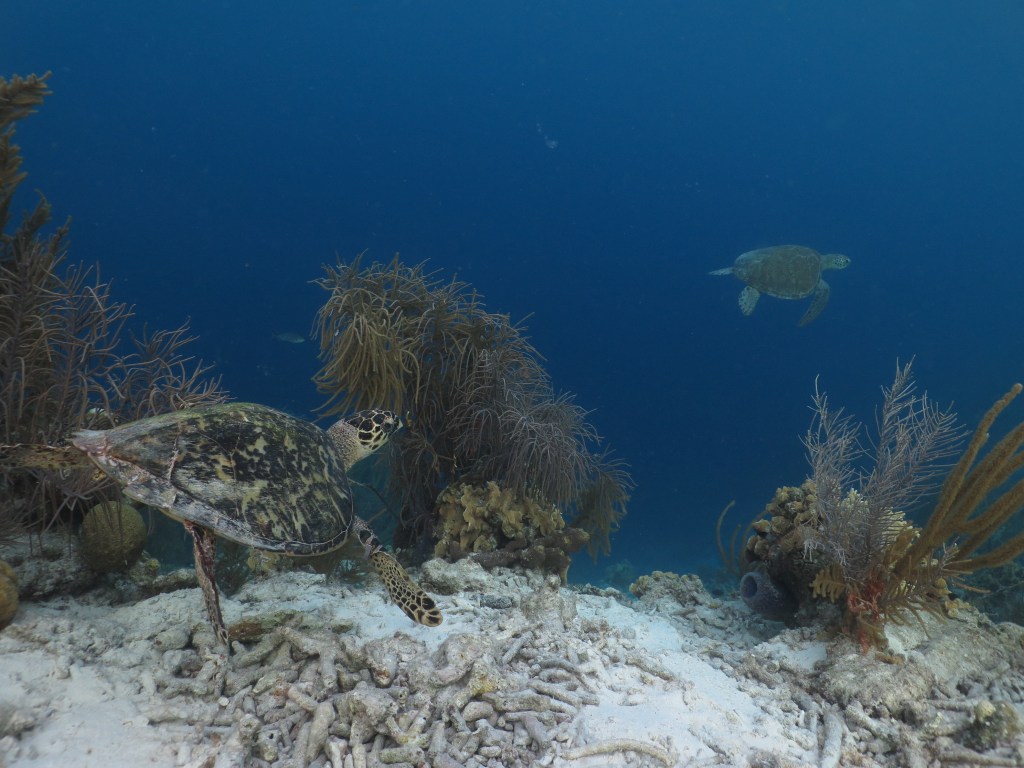
Photo by Julia Sonis taken in in Bonaire, Netherland Antilles

About me:

I am a Junior college student at UNC Chapel Hill seeking a bachelor of science degree in Psychology, hoping to enter Physical Assistant school at some point after graduation. Some of my favorite activities include watching horror movies, playing sports, jump roping, traveling, and playing with my cat: Archie.

Microbiology:

This blog’s sole focus will be to discuss my opinions and thoughts about recent in topics in Microbiology that will be predetermined by my medical microbiology professor: Dr. Lorraine Cramer. Taking MCRO 251 will help me continue my interest in healthcare and complete a prerequisite for applying to PA school.