What is HPV?
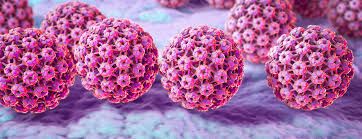
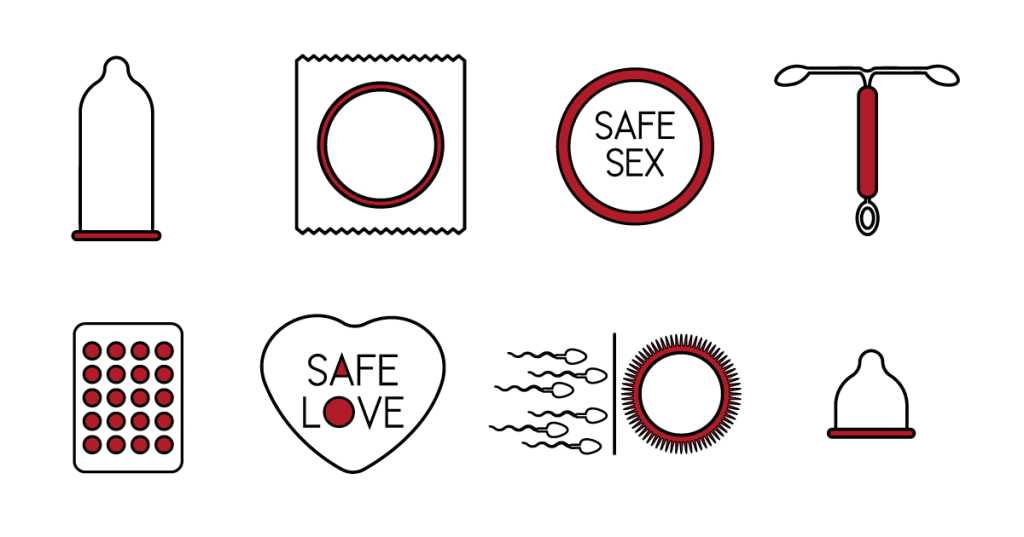
According to an article by the CDC, the Human Papillomavirus is the most common sexually transmitted infection in the United States. There are many different strains of HPV, but some HPV strains cause adverse health effects such as cancer and genital warts. It is spread through vaginal, anal, and even oral sex with someone who carries the virus. The warts caused when HPV doesn’t go away on its own will appear as little bumps and groups of bumps on the genitals. Some people who carry HPV may not show symptoms at all but can still transmit it to sexual partners. I think this is a big reason why everyone needs to wear condoms no matter what the circumstance. I also think it’s important for sexual education courses to emphasize the point of asymptomatic carriers, safe sex, and routine check-ups.
HPV Vaccine
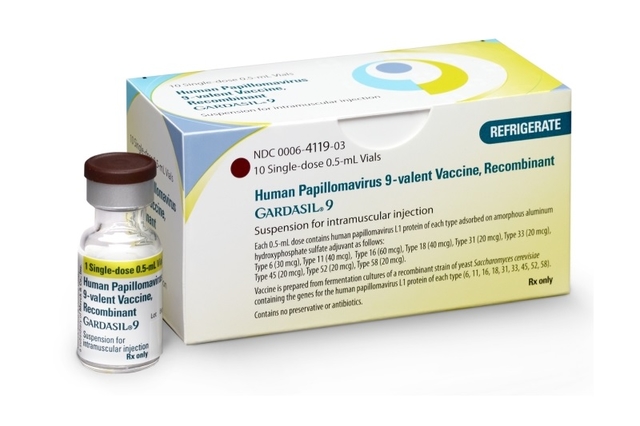
There are six types of cancer caused by two strains of HPV: Cancer of the cervix, penis, vagina, vulva, back of the throat, and anus. According to the CDC, more than 9 of every 10 cases of cervical cancer is caused by HPV and cervical cancer is one of the leading causes of death for women in the United States every year. Thankfully, a non-infectious recombinant vaccine prepared from virus-like particles called the 9-valent HPV vaccine protects healthy individuals from contracting the cancer-causing strains of HPV. This vaccine is recommended for 9 through 15 year olds who have not yet started being sexually active. Even sexually active individuals can benefit from the vaccine by protecting them from contracting more dangerous strains of HPV in the future. I think that the HPV vaccine has completely revolutionized the STD/STI prevention measures and is saving thousands of people from genital warts, cancer, and even death. I also think it’s important to give children this vaccine early before they begin being sexually active to provide them with maximum protection. Furthermore, even males are not the ones experiencing such severe health effects from the infection, it is still just as necessary to vaccinate them to prevent transmission with female sexual partners.
Current issues surrounding HPV-related disease
According to this article by Belotserkovtseva and Mayer, a survey done with 14-17 year olds in KhMAO-Ugra, Russia, found that 25% of these adolescents had already had sexual experience and did not know methods of contraception or “safe sex”. Furthermore, about 52.7% of these adolescent girls had HPV and 37.9% had oncogenic types, or types that cause cancer. This problem in Russia is responsible for cervical cancer being the number 1 type of cancer in women under 30 years old. I think that it is necessary to spread information about the HPV vaccine to all parts of the world in order to protect a vary vulnerable part of the population: young women. According to another article in JAMA looking at oral HPV herd immunity in unvaccinated US male populations, it was found that vaccine-type HPV prevalence decreased 39% from 2009 to 2016 whereas nonvaccine-type oral HPV prevalence remained the same. This goes to show that herd immunity for HPV strains prevented by the vaccine is working well. We all need to continue vaccinating ourselves and our children to protect every individual from such adverse health effects.

 Julia's Microbiology Blog