What is the Microbiome?
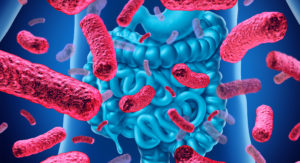
Unless you happen to take biology classes in college, you may have a limited understanding of what the word “microbiome” means. I had no idea that there are more microbes in our bodies than human cells until my genetics class in college. In fact, I had never even heard the word “microbiome” until I got to college. The microbiome consists of “trillions of microorganisms of thousands of different species” according to an article by the Harvard school of Public Health. This includes bacteria, fungi, viruses, and parasites existing in many different parts of the body such as the mouth, skin, nose, vagina, and gut. The largest amount of these microorganisms exist in our small and large intestines, and these are known as our “gut microbiota”. During birth, babies are first exposed to microorganisms in their mother’s birth canals. As the baby grows up, environmental exposure and diet change and grow their microbiota. Disturbances in the balance of our “good” and “bad” microbiota can result in dysbiosis and higher risk for disease.

How does the Microbiome affect Health
According to an informative slideshow by WebMD, your gut microbiome works to keep your digestive system healthy by keeping “bad bacteria” in check. In other words, most bacteria are what we call “opportunists”, which means they can only flourish when other microbiota aren’t around. In our microbiology class, our professor stresses the importance of balancing microbiota so that opportunists cannot takeover and cause infection. Furthermore, your gut microbiota creates chemicals that respond to different foods we eat that can have different effects on many parts of the body. For example, when we eat red meat or eggs, bacteria in our gut makes TMAO which can help cholesterol build up in our blood vessels and can also lead to kidney disease. Even our brains are affected by our microbiota as studies have shown they play a role in emotion regulation and information processing like sights and sounds. Another role that your gut microbiota plays in health is through weight regulation and appetite control.
Conceptually, we should view these microbes as a newly discovered organ, weighing slightly more than our brains and nearly as vital.
– Tim Spector of BBC Science Focus Magazine
What Can We Do?
According to an article by BBC science focus magazine, the microbiome inside of human guts should be viewed as a “newly discovered organ” due to its vitality within the human body. Interestingly enough, research into the microbiome is relatively recent, and evidence of their importance to the human body is still being discovered everyday. Further, every single person’s microbiome is different and has a significant and unique impact on your health. In animal tests and human studies, researchers have found that we have a lower risk for allergies and disease the more diverse our gut microbiome is. Some things we can do that increase our gut microbiome diversity include eating a high fiber diet, a variety of fruits and vegetables, fermented foods, small amounts of alcohol, avoiding artificial sweeteners and antibiotics, touching animals and trying not to be “hygiene obsessed” (Spector, 2020).

 Julia's Microbiology Blog